






Lenskart Share Price Target After Q3 Results: In a significant development for investors, Jefferies and JM Financial have upheld their ‘buy’ ratings on Lenskart following the company’s robust third-quarter results, leading both firms to increase their target prices for the eyewear giant. After the announcement of its quarterly financial performance, Lenskart shares experienced a remarkable surge, climbing 13 percent to reach an all-time high during Thursday’s trading session. This positive market reaction reflects investor confidence in Lenskart’s growth trajectory and operational efficiency, which have been underscored by the latest financial data. The eyewear retail sector in India has witnessed increased competition and evolving consumer preferences, yet Lenskart’s innovative business model and strategic expansion plans seem to have positioned it favorably in the market. Analysts believe that the company’s investments in technology and customer experience enhancements will continue to drive sales and profitability in the coming quarters. As the Indian eyewear market expands, Lenskart is anticipated to capture a larger share, bolstered by its online and offline presence. The sustained demand for eyewear products, coupled with a growing awareness of vision health among the Indian populace, is likely to contribute to Lenskart’s optimistic outlook. Investors are advised to keep a close watch on Lenskart’s upcoming performance metrics and strategic initiatives that may further influence its market standing and share price. With the backing of reputable financial institutions and a solid growth plan, Lenskart is poised to remain a key player in the Indian eyewear industry, promising potential returns for those looking to invest in the booming market. The overall sentiment around Lenskart’s stock performance suggests a bullish outlook, with analysts projecting continued upward momentum in share prices, making it an attractive option for both current and prospective investors.
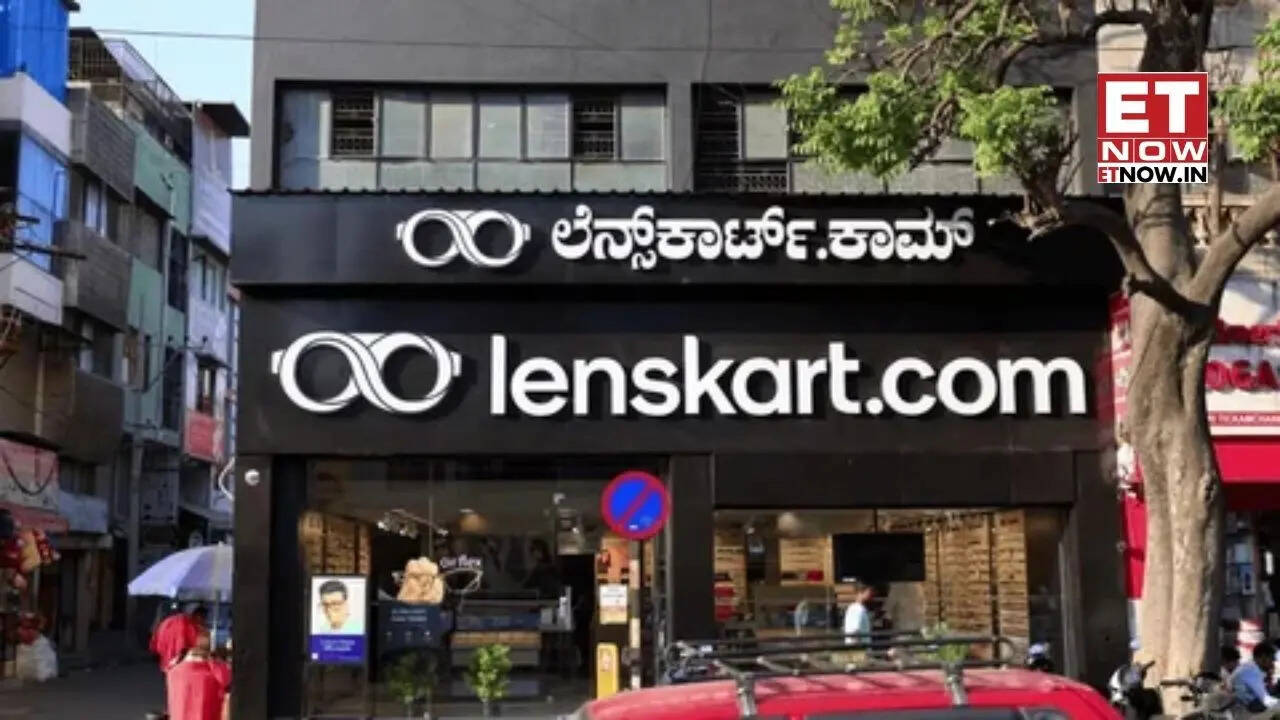
Lenskart Shares Surge 13% Post-Q3 Results; Jefferies and JM Financial Boost Target Price, Maintain Buy Rating
In Trend



Nationwide Bharat Bandh Today: Trade Unions and Farmers Unite Against New Labour Codes and India-US Trade Deal